Pescarenico, the breath of Manzoni's soul
There is a place in Lecco where time seems to linger gently, where the water glides slowly and silently, reflecting houses, nets and memories: it is Pescarenico, a small village nestled between the eastern branch of the Lario and the first flow of the Adda, where the lake surrenders to the river, as Alessandro Manzoni wrote. A place that is not just geography, but a living evocation of a lost world, suspended between history, faith and literature.
The village that enchants and tells
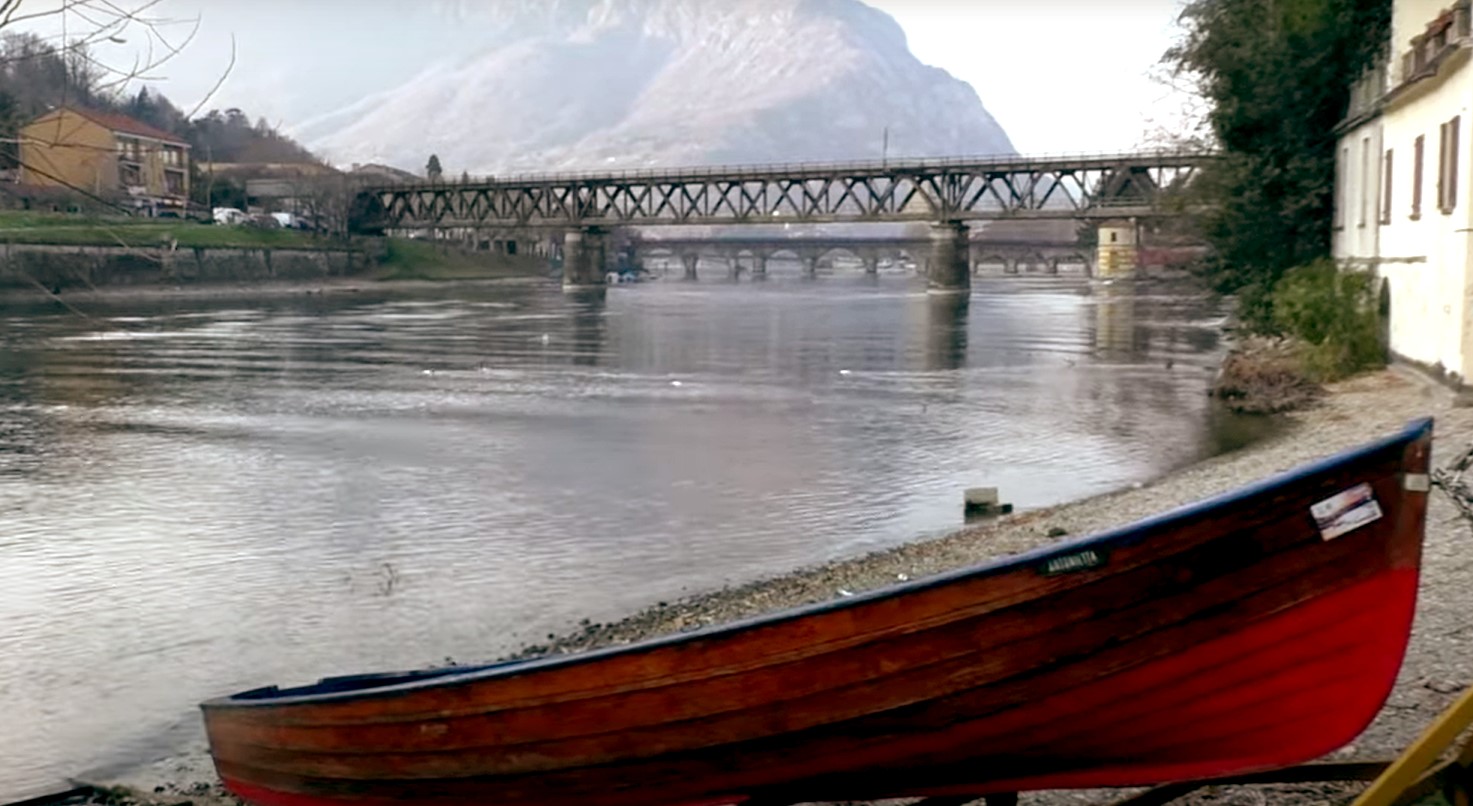
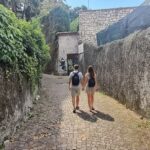
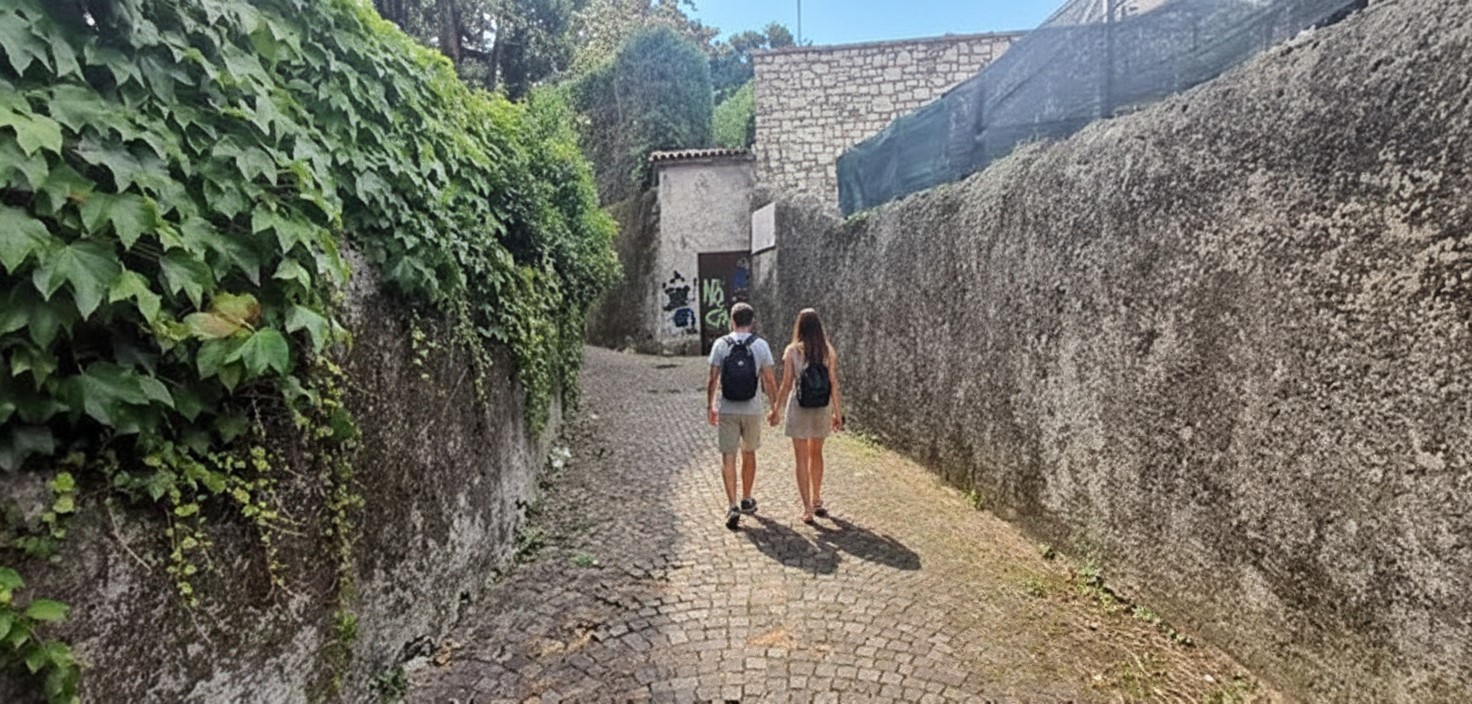
Pescarenico, with its silent alleys and boats drawn up on the shore, is today like a whisper from the past, a reflection of the 17th century that Manzoni was able to immortalise in a few, essential words. Here, time can be breathed in the low walls of the ochre-coloured houses, in the trammels hung out to dry in the sun, in the stillness broken only by the faint sound of the water and the slow steps of those who still stroll unhurriedly.
Walking along the shore, one arrives at Piazza Era, the beating heart of the village and the ancient landing place for fishermen. It is easy to imagine Lucia with her head veiled, Agnese clutched in her cloak, Renzo looking restlessly towards the Azzone Visconti bridge. It is from here, from the mouth of the Bione stream, that the young woman sails away in a boat, accompanied by that famous and poignant thought: “Farewell, mountains springing from the waters...”.
The convent and the silence of the friars
In the heart of the village stands the Capuchin monastery, founded in 1576 under the patronage of the Spanish governor Mendoza, who - the story goes - himself set out to collect offerings for its construction. The convent, although damaged in the 1646 earthquake, survived, and was entrusted to the Franciscan friars who found refuge and peace there between one journey and another, from Bergamo to Como.
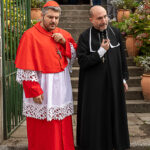
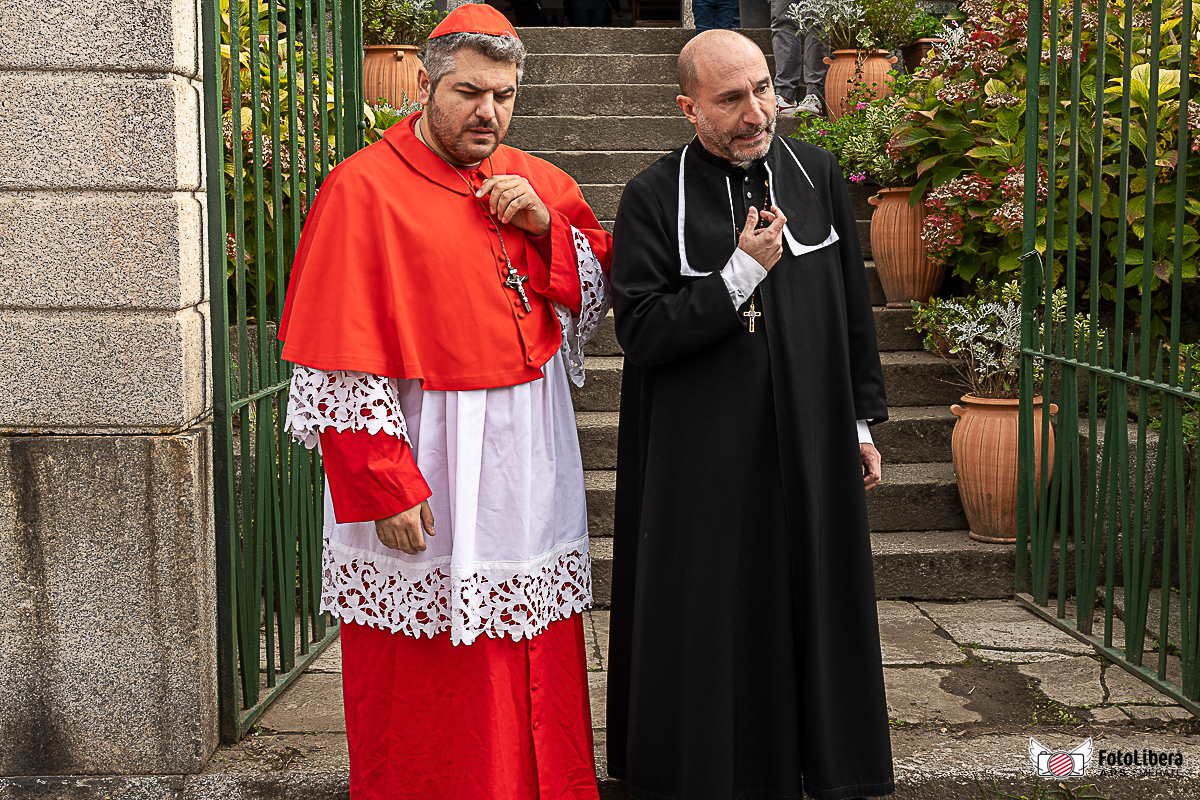
Manzoni made it the home of Fra Cristoforo, an emblematic figure of redemption and inner justice. One can imagine him walking under the porticoes, absorbed in prayer, among the long shadows of the cloister and the acrid perfume of incense. Or perhaps, in the half-light of the church dedicated to St Francis, listening to the confessions of the last, the humble, the oppressed.
Landscape as memory
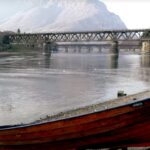
But it is above all the landscape that gives voice to the novel. The mountains that hold Lecco in a severe embrace, the water that laps the banks, the light that changes with the hours: everything here speaks the language of the Betrothed. Watching Pescarenico from the opposite bank of the Adda, as the village is reflected placidly in the river, is like reading a Manzonian page with your eyes.
It is no coincidence that Manzoni only mentions this corner of Lecco by name: because everything here is authentic, concrete, and at the same time symbolic. Here the novel becomes flesh, and history is interwoven with the daily life of those who inhabit and love these places.
A visit that is a journey into the soul
Today, visiting Pescarenico is not just a tourist itinerary. It is a return to the origins of a collective consciousness, it is an encounter with the deepest Italy, the one that gave voice to the poor and the just, the lovers and the persecuted. It is an invitation to slowness, to listening, to imagination.
And as the sun sets beyond the peaks of San Martino and the Resegone stands out clearly against the sky, one understands why Manzoni loved these places so much. Because from here, indeed, one can still see - and feel - the soul of the Betrothed.