Towards Rifugio Santa Rita: a journey through woods, mountain pastures, and spectacular panoramas
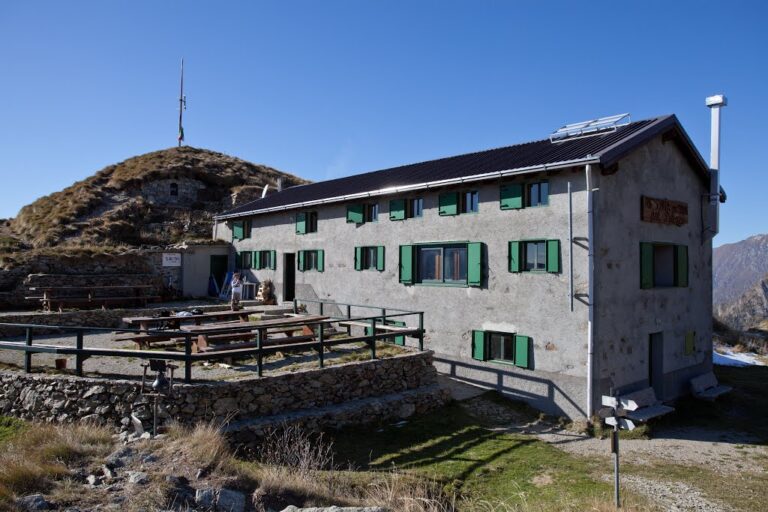
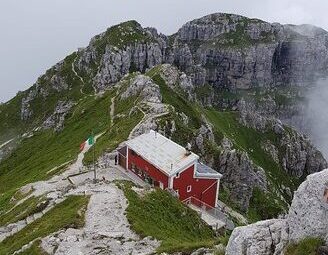
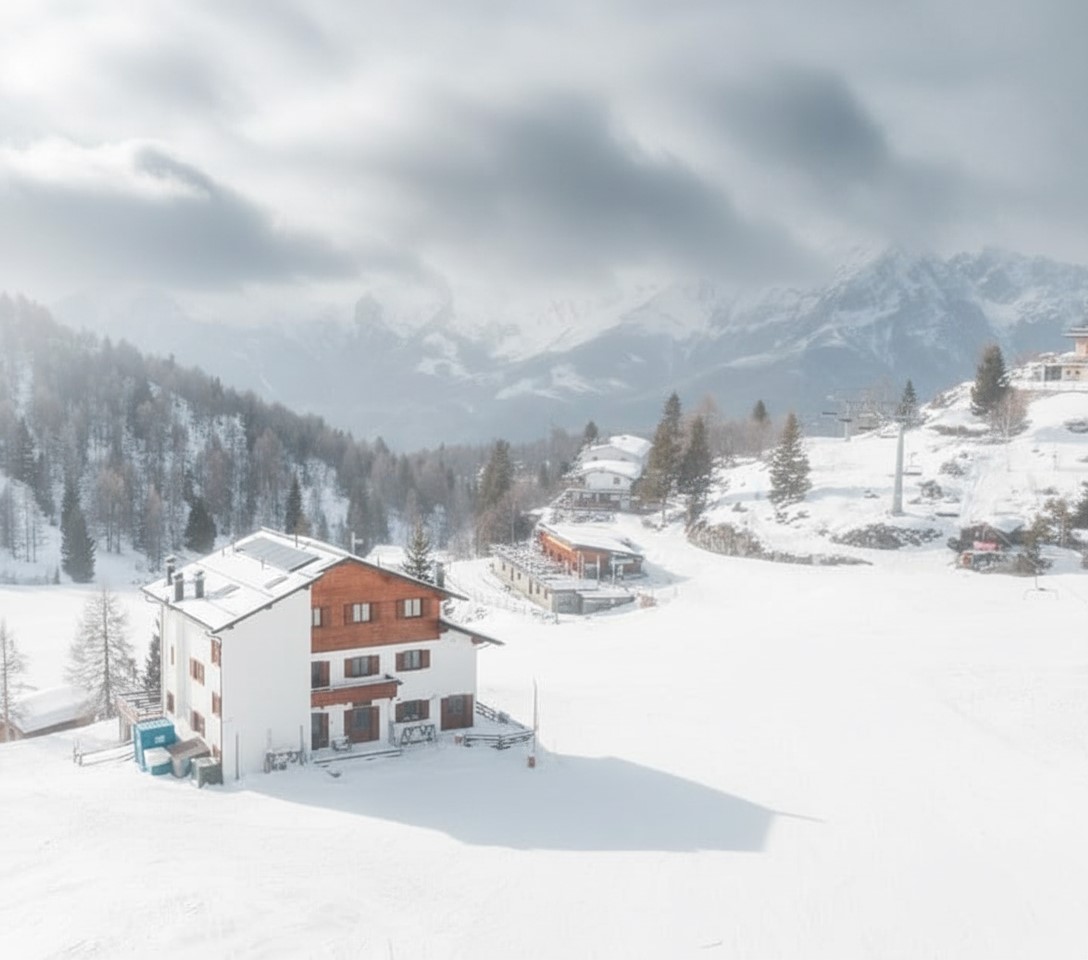
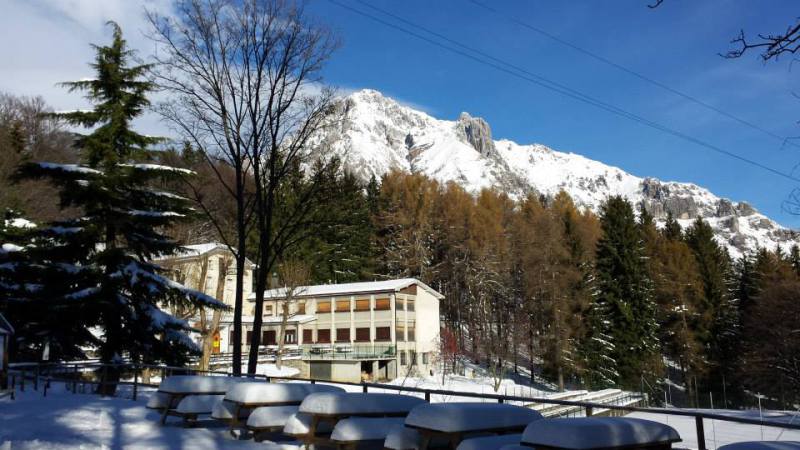
Nestled in the heart of the Lecchese Prealps, Rifugio Santa Rita stands on the Bocchetta della Cazza, a passage between Val Biandino and Val Varrone. Reaching it is an experience that combines the enchantment of the landscape with the satisfaction of the hike. The route starting from Alpe Paglio is a small journey into beauty, alpine memory, and the silence of the forests.
The approach: from the Adda to the Alps
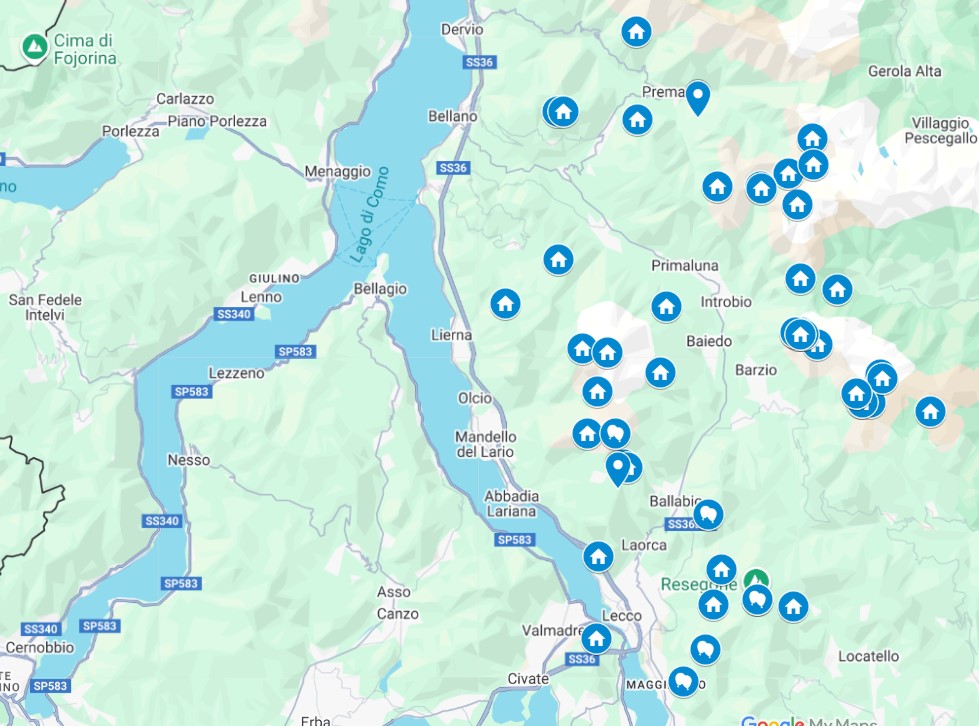
Leaving the SS36 at the bridge over the Adda, take the diversion that climbs towards Valsassina. After Ballabio, the road winds through the valley floor to Taceno. Here, head towards Premana and, after Casargo, a long series of hairpin bends leads to Alpe Paglio, the starting point of the excursion (1370 m).
The spacious car park welcomes hikers and families alike. From here, a small asphalted road branches off to the right, marking the start of the ascent. On the side, the ski lift structures bear witness to the dual nature of this place: a summer destination for walkers, a winter paradise for skiers.
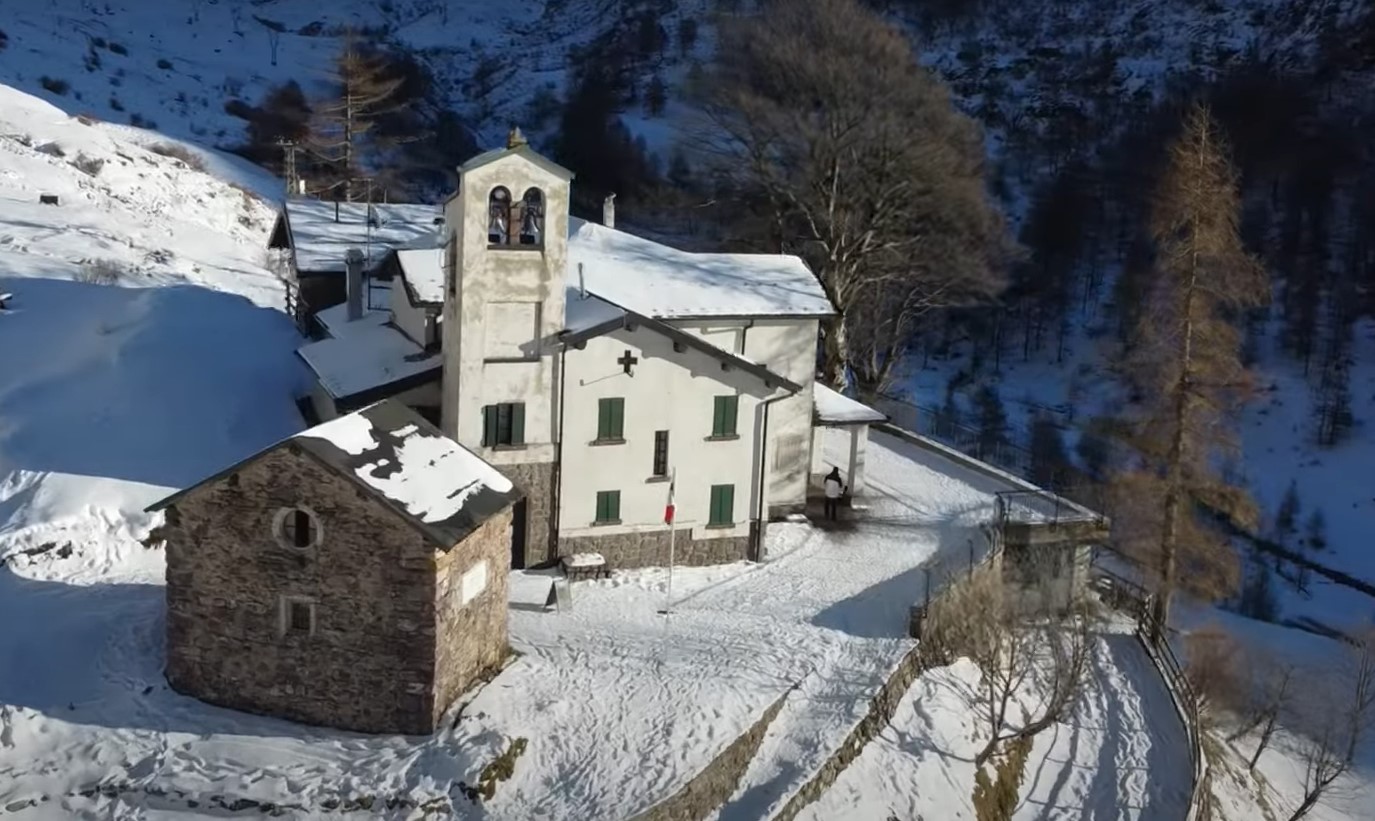
You walk between the woods and the edge of the pasture, passing by the small church of the Alpini and the Alpe Paglio observatory, places that invite reflection and contemplation of the sky.
Pian delle Betulle: the romantic alpine meadow
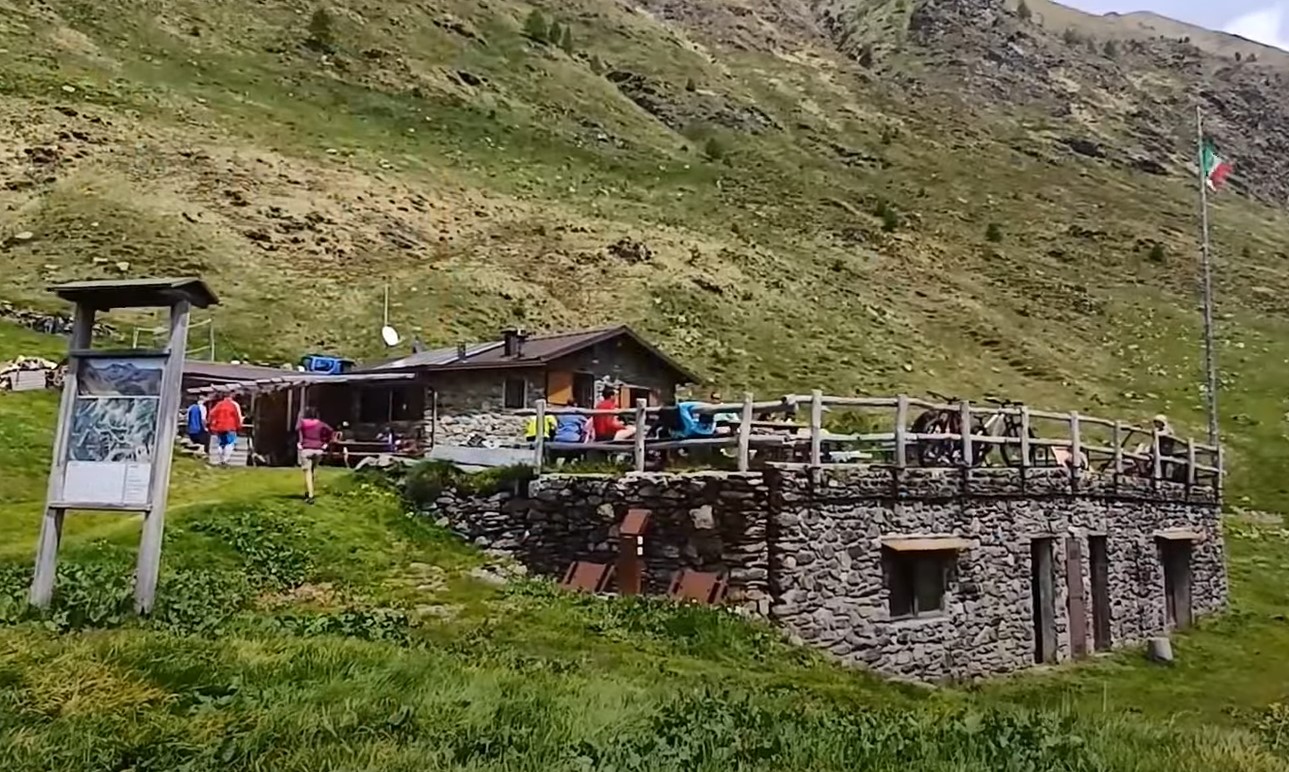
A little further on, the woods thicken and the road becomes unpaved. Between gentle uphill stretches and S-bends, you reach Pian delle Betulle. This green corner, which looks like something out of an alpine tale, retains the atmosphere of a gentle mountain, with its small lake, huts, restaurants, and the church which also houses a small museum dedicated to alpine culture.
Continuing further, the path delves into an increasingly solitary landscape. The silence of the woods, broken only by the rustling of leaves and the call of a few birds, accompanies your steps to Alpe Ortighera (1505 m), from which Lake Lecco can be glimpsed in the distance.
Upwards: through pastures, beech woods and silences
The path becomes more determined. Between hairpin bends, wooden channels and red stones, you slowly ascend, leaving behind the man-made environment to enter a realm dominated by nature. The meadows become wide, the larches scattered, the sky closer.
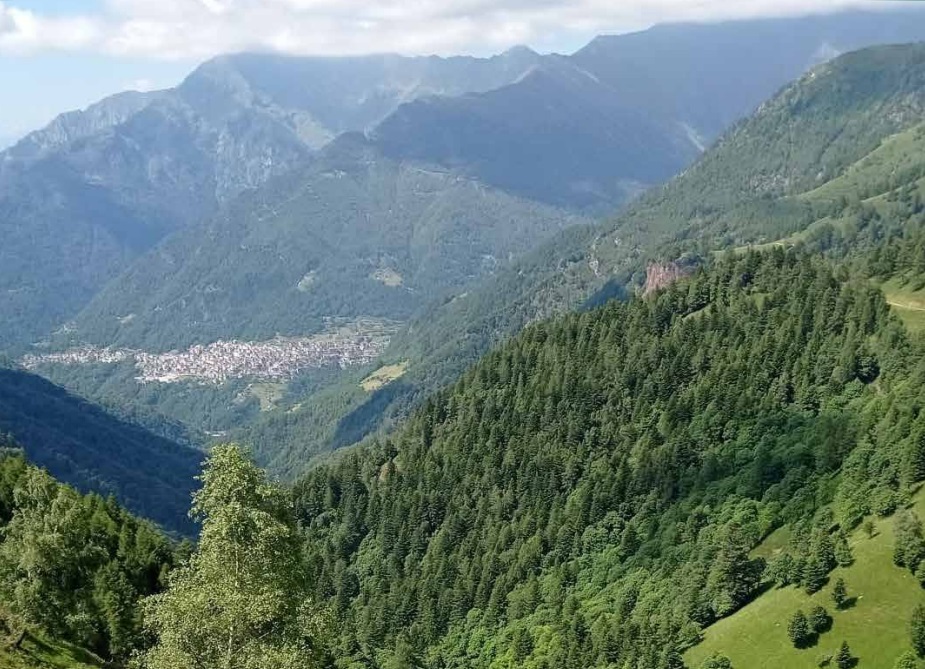
In the Larice Bruciato area (1708 m), a small rest stop with tables and benches invites you to take a break. A little further on, the view opens up onto the Premana valley, while the trail continues along the flank of Pizzo Cornagiera, offering glimpses of the Biandino Valley and the entire arc of Valsassina.
Laghit: where the water reflects the sky
Having reached the Laghit locality (1930 m), a pool of water and some tables mark a new viewpoint. This is one of the most exciting sections of the entire hike: from here, your gaze sweeps across the Val Biandina to the Pizzo dei Tre Signori, while the path winds its way through rhododendrons and tall grass.
The next descent winds between ridge and scrubland, with continuous shifts in perspective between Val Varrone and Biandino. A striking passage leads to the Bocchetta di Olino (1640m), where the panorama becomes wide and wild. The small road continues, alternating between level sections and descents until reaching the Buco del Rat crossroads (1815m), a hub of paths leading to the Falc, Madonna della Neve, and Santa Rita refuges.
The final stretch: where the mountain reveals its most authentic face
The final stretch is perhaps the most intense: the climb becomes steeper, the path exposed in places. You walk along the ridge, caressed by the wind and the rugged beauty of high altitude. Rocks, grassy crests, and sudden views of the valley floor alternate in an emotional crescendo that culminates with the arrival at the Bocchetta della Cazza.
Here, straddling the two valleys, Rifugio Santa Rita appears as a small bastion of hospitality, solitude and peace. A destination, but also a waypoint for those dreaming of Pizzo dei Tre Signori or the traverse to Biandino.
Conclusion
The path leading to Rifugio Santa Rita is more than just a hiking route. It is a journey that tells the story of the mountain in all its nuances: gentle and harsh, silent and rich with memory, inhabited and wild. An invitation to slow down, listen and – simply – walk.